Although Vascular Access Devices (VAD) have many advantages, the burden of harm associated with them is significant. It is now accepted that the presence of any VAD immediately places patients at risk of complications…


VascuFirst is a Vygon initiative.
Although Vascular Access Devices (VAD) have many advantages, the burden of harm associated with them is significant. It is now accepted that the presence of any VAD immediately places patients at risk of complications…

The midline catheter growth has been exponential since it is a resource that allows a notable improvement in the management of vascular access for medium-term treatments compatible with peripheral perfusion…
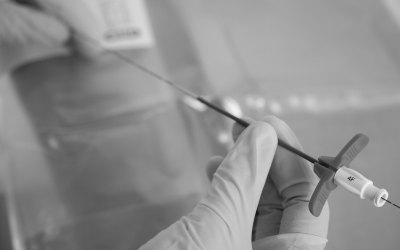
The performance of a Vascular Access Device (VAD) can be predicted based on four criteria: tip position, insertion technique, cannulated vein and exit site.

The increasing use of infusion pumps for chemotherapy treatments means that they must be used with hazardous drugs (e.g. 5-fluorouracil), which poses a risk of exposure for workers, patients and caregivers during the filling, handling, administration and removal of this type of device.

The clinical study on breast cancer patients has reported a very low incidence of PICC-port failure (2.6%), similar to the figures reported for chest-ports. Therefore, PICC-ports are safe, and their use is recommended when chest ports are not an option.

Maintenance of PICCs requires a set of washing and sealing procedures. However, what should be done if a PICC catheter is obstructed despite applying the protocols correctly?

The subclavian vein puncture, area of the axillary-subclavian junction, is known for its possible complications such as pinch-off syndrome and pneumothorax. These are perfectly avoidable when the puncture is performed under ultrasound monitoring.

In this article, we will see what the impact of elderly patients is on hospitals and how peripheral vascular access can be managed when such patients require intravenous treatment.

How can I achieve a skillful and aesthetically pleasing chest port placement? To answer this question, I will explain how I place chest ports using the jugular then the subclavian vein.

Central venous catheterization (CVC) is a technique commonly used to obtain short and long-term vascular access. There are many potential risks associated with CVC insertion and that can lead to vascular injuries.

The need for vascular access to administer intravenous medicines and fluids is an essential part of healthcare delivery in acutely ill patients. It is suggested that most patients admitted to acute hospitals will have at least one vascular access device (VAD) inserted during their hospital stay.
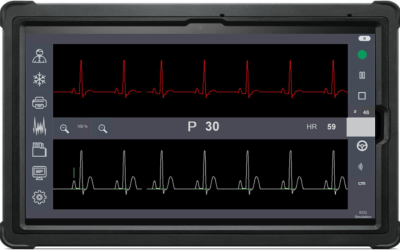
Since the late 1980s, Dr Pittiruti and Dr LaGreca of the Fondazione Policlinico Universitario Agostino Gemelli in Rome have been researching the possibility of using ECG to locate the tip of a PICC. In 1989, they studied the feasibility of analysing the TQ segment to use this system in patients with atrial fibrillation.