As the GAVeCeLT group (1) stated in their manual on PICCs and midlines regarding the evolution of PICC use, the introduction of ultrasound in the 2000s has been a breakthrough in the field. In this...


You can find all the articles linked to VAD Insertion in this page.
As the GAVeCeLT group (1) stated in their manual on PICCs and midlines regarding the evolution of PICC use, the introduction of ultrasound in the 2000s has been a breakthrough in the field. In this...

A testimonial of Dr Eric Desruennes There aren't many differences between children over 2 years and adults. On the other hand, newborns, infants, and children under 2 years are quite...

The VAD (vascular access device) insertion experience varies between patients. For individuals with difficult intravenous access (DIVA), the process can become traumatic and notably painful....

In modern healthcare, multiple professionals are responsible of inserting vascular access devices in patients. Within the same hospital, different categories of professionals end up using the same...

Healthcare professionals working with oncology patients are used to handling fully implanted catheters. In recent years, PICC-port has proven to be very useful in the field. However, any vascular...

VADs (Vascular Access Devices) can be inserted in various areas of the body via a selection of veins. Some venous access sites can result in more complications. It is therefore important to...

With the introduction of venous mapping methods prior to the placement of a central venous catheter (RaPeVA, RaCeVA, and RaFeVA), the evolution of ultrasound techniques has given a fundamental role...
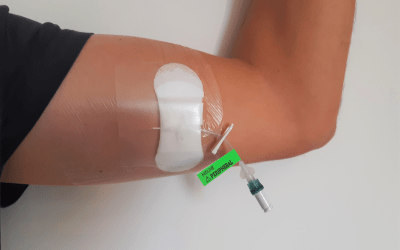
Introduction The aim of this article is to describe and discuss some differences between the short peripheral intravenous catheter (SPIVC) and the long peripheral intravenous catheter (LPIVC)...

The mechanical complications of an implantable port are numerous and frequent. However, they are often avoidable if the basic rules of insertion and use are known and respected. We can classify the...

Intravenous therapy is a usual treatment for hospitalized patients and increasingly, for those who are at home. The administration of drugs can give rise to problems such as phlebitis and extravasation among others, which can force us to use various peripheral routes. Over time, different devices have emerged, including midlines…
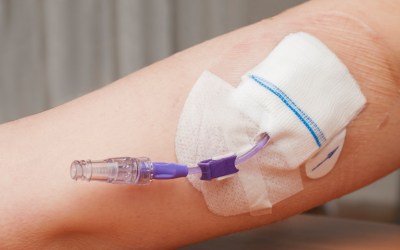
The last article in this series discussed methods to reduce the risk of complications in PICCs. This final article will focus on how to troubleshoot some of the most common complications associated with PICCs if they do occur…

In this article, we interview Marta Rubio de las Cuevas on the placement of PICC-ports by multidisciplinary teams. Marta has been a nurse in the Vascular-Interventional Radiology Department at the Marqués de Valdecilla University Hospital in Santander, which has been a pioneer in the training of multidisciplinary teams for the insertion of PICCs for 43 years…