In this article, we will see what the impact of elderly patients is on hospitals and how peripheral vascular access can be managed when such patients require intravenous treatment.


VascuFirst is a Vygon initiative.
In this article, we will see what the impact of elderly patients is on hospitals and how peripheral vascular access can be managed when such patients require intravenous treatment.

The need for vascular access to administer intravenous medicines and fluids is an essential part of healthcare delivery in acutely ill patients. It is suggested that most patients admitted to acute hospitals will have at least one vascular access device (VAD) inserted during their hospital stay.
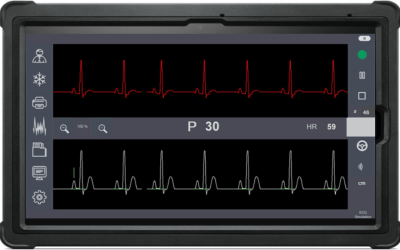
Since the late 1980s, Dr Pittiruti and Dr LaGreca of the Fondazione Policlinico Universitario Agostino Gemelli in Rome have been researching the possibility of using ECG to locate the tip of a PICC. In 1989, they studied the feasibility of analysing the TQ segment to use this system in patients with atrial fibrillation.

This pandemic has confirmed a reality for us: hospitals are for acute patients. Although this is not new, we are now able to put it into action: now more than ever our home is our shelter. Home health care, specifically in the field of vascular access, IS feasible.

Click here to watch a video about the risks of hazardous drugs contamination in Oncology Day Units.

If we consider the skin to be a shield, barrier or a protective layer, it is easy to understand why it is essential to maintain good skin integrity to avoid complications. Monitoring skin integrity...

An increasing number of hospitalised patients require the use of venous access devices (VADs). Intravenous therapy has therefore been a topic of high clinical relevance in recent decades. There are currently several types of catheters, and the choice between them depends on a number of factors.

What is an infusor? In recent decades, infusors have been used for continuous drug administration. The development of these devices is a major breakthrough in this field, as maintaining stable...
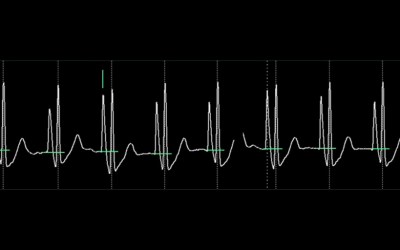
Today, the peripherally inserted central catheter, PICC, is a widely used vascular acces device. Its use is spreading, thanks to a simple and fast insertion technique. This allows nursing teams to...

The literature on the experiences of patients living with a CVAD suggests that the devices are accepted by patients, with the main attraction being a reduction of repeated painful cannulation (Yamada et al, 2010; Sharp et al, 2014; Alpenberg et al, 2015; Song and Oh, 2016; Parás-Bravo et al, 2018)…

Lately, the PICC-port has been heard as the “latest innovation” in the venous access algorithm. The DAV Expert app includes it in its solution of lines and the studies that are coming support this new type of vascular access as a safe, effective, efficient and aesthetic option for cancer patients.

Since its development in the 1970s, the PICC catheter has become a commonly used venous access in adult and child patients because it is long-lasting, easy and quick to insert and has few complications…