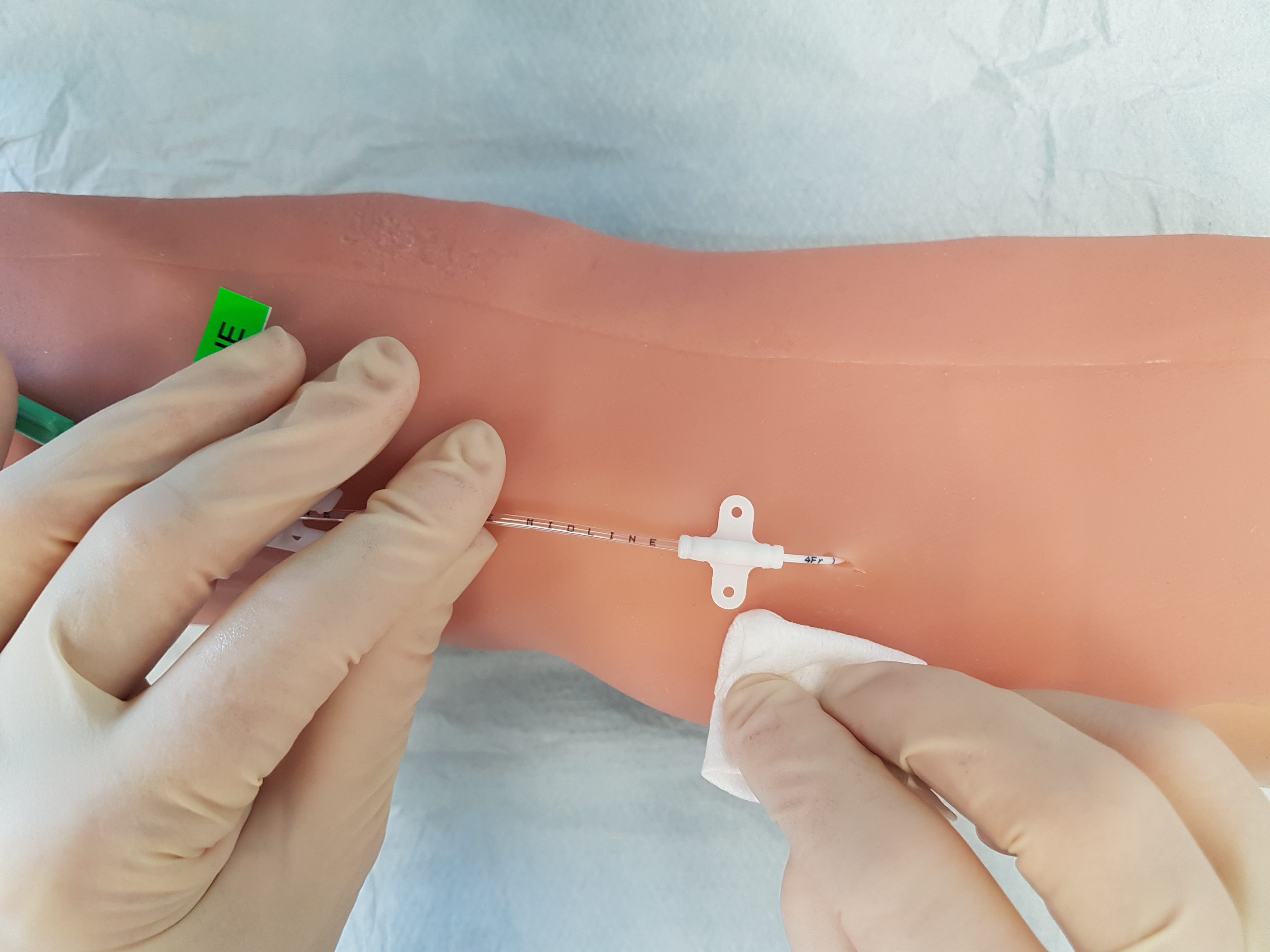
Lately, the PICC-port has been heard as the “latest innovation” in the venous access algorithm. The DAV Expert app includes it in its solution of lines and the studies that are coming support this new type of vascular access as a safe, effective, efficient and aesthetic option for cancer patients.
A platform for clinicians to share and increase knowledge about topical, innovative issues in Vascular Access & Infusion Therapies with the aim of ensuring safe patient-centered IV practices.
VascuFirst is a Vygon initiative.
PICC Catheter: Choice of number of lumens and its impact on complications
Since its development in the 1970s, the PICC catheter has become a commonly used venous access in adult and child patients because it is long-lasting, easy and quick to insert and has few complications…
Short Peripheral Catheter: Four Common Problems
As nurses, do we know how invasive it is and what the consequences are of inserting a short peripheral catheter into a vein? In May/June 2015, the “Journal of Infusion Nursing” dedicated an article...
The Patient Experience of Vascular Access: A Facebook Survey
The literature on the experiences of patients living with a CVAD suggests that the devices are accepted by patients, with the main attraction being a reduction of repeated painful cannulation (Yamada et al, 2010; Sharp et al, 2014; Alpenberg et al, 2015; Song and Oh, 2016; Parás-Bravo et al, 2018)…
Midline Catheters in Paediatrics
The characteristics that define midline catheters are well established. However, in recent years a new group of peripheral vascular access devices has appeared on the market: long peripheral catheters (long peripheral IV catheters), also known as “mini-midlines”. The characteristics of both devices are summarised in Figures 1 and 2.