PICC-port is gaining prominence as a primary vascular access device for oncology patients, surpassing traditional chest ports and outdated brachial ports. Dr. Bertoglio's recently published...


VascuFirst is a Vygon initiative.
PICC-port is gaining prominence as a primary vascular access device for oncology patients, surpassing traditional chest ports and outdated brachial ports. Dr. Bertoglio's recently published...

PICC-port is an implanted catheter that is undoubtedly gaining ground in the world of vascular access. Its growing success is not surprising: it comes with new indications, cost reduction and...

Short Peripheral Intravenous Catheters (SPIVCs) are commonly used as default vascular access devices by practicians around the world for short and midterm therapies. However, they can be a problem...
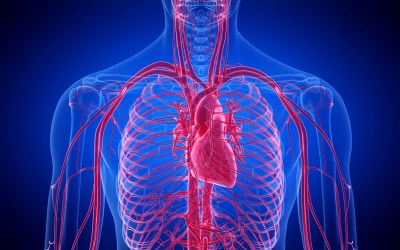
This article about chest and neck veins is part of a series about the anatomy and physiology related to vascular access. To read the first part about arm veins, click here. Chest and neck veins are...

Healthcare professionals working with oncology patients are used to handling fully implanted catheters. In recent years, PICC-port has proven to be very useful in the field. However, any vascular...

VADs (Vascular Access Devices) can be inserted in various areas of the body via a selection of veins. Some venous access sites can result in more complications. It is therefore important to...

With the introduction of venous mapping methods prior to the placement of a central venous catheter (RaPeVA, RaCeVA, and RaFeVA), the evolution of ultrasound techniques has given a fundamental role...

Extravasation can be defined as the accidental leakage of a chemotherapy infusion into the subcutaneous tissues, and exceptionally into the pleura or mediastinum. It can be an absolute therapeutic...

Dysfunction with implantable ports is characterized by an absence of blood reflux. It can be associated to a decrease or loss of perfusion flow. Its incidence is of 0.6 to 2.5 per 1000...

Central venous catheters are intravenous devices whose distal end must be located at the atrio cava junction (union of superior vena cava and right atrium). They allow the infusion of irritant...

Skin lesions include MARSIs and various intrinsic or clinical conditions that pose a challenge in maintaining adequate fixation of the central catheter on the patient’s skin…
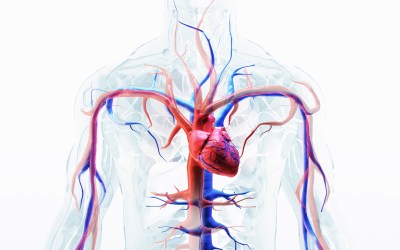
Introduction Vascular access is the commonest invasive procedure performed on hospitalised patients, but it is not without complications1. Complications can include phlebitis, localised infection,...